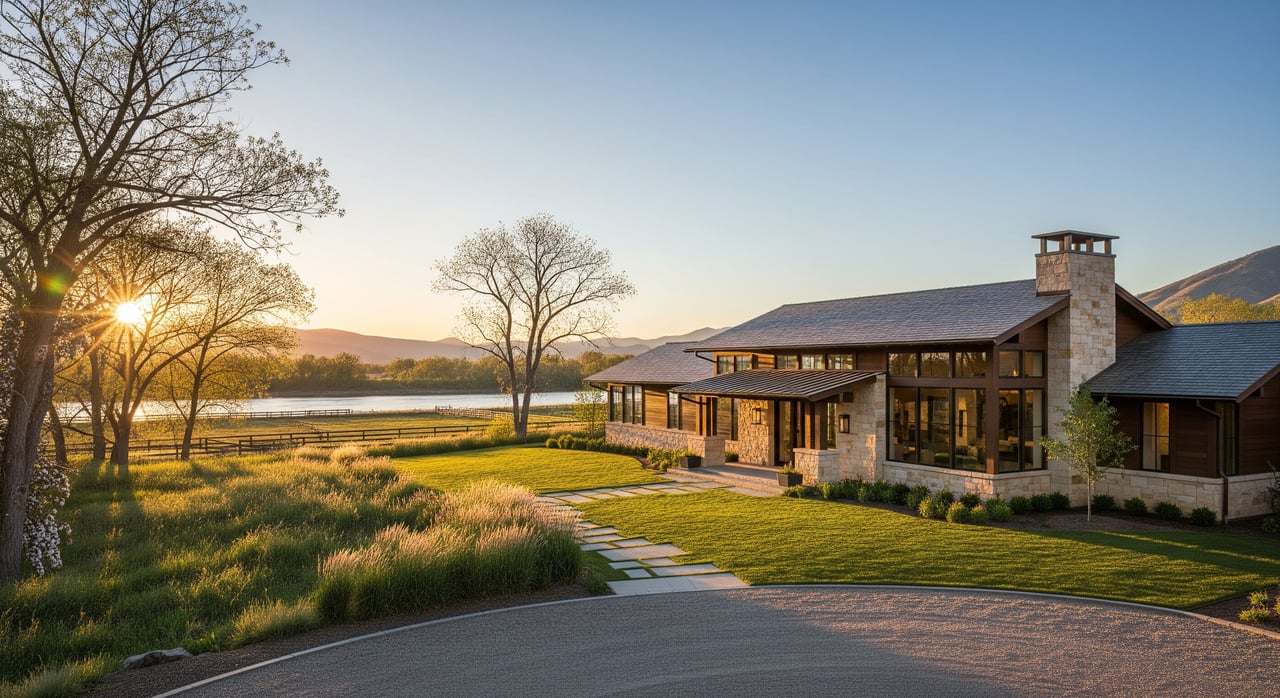
Trying to decide between Eagle and Meridian? Both offer great Idaho living, but the day-to-day experience can feel very different. You want a community that fits your routines, your budget, and your lifestyle. In this guide, you’ll compare commute patterns, HOA norms, lot sizes, home styles, and access to dining and recreation so you can choose with confidence. Let’s dive in.
Quick snapshot: Eagle vs. Meridian
If you want denser suburban convenience and quick highway access, you’ll likely lean Meridian. If you want space, a quieter feel, and easy access to river recreation, Eagle often fits better. Think of Meridian as amenity-rich and commute friendly, and Eagle as lower density with more outdoor orientation.
- Meridian: Rapid growth, many master-planned communities, strong retail and restaurant corridors, and closer I-84 access.
- Eagle: Lower density, more larger-lot and custom homes, river and park proximity, and a semi-rural neighborhood feel.
Commute and transportation
Meridian sits south and southwest of Boise with direct routes to I-84 and major arterials. That often means shorter drive distances to downtown Boise and west-side employment centers. Eagle is northwest of downtown across the Boise River, with primary access along Eagle Road and State Highway 44. Some commutes into central Boise or southbound I-84 can be longer and more prone to bottlenecks at key intersections.
Regional bus service exists along major corridors, but most residents drive. Peak-hour travel times can increase on Eagle Road, State Highway 44, Meridian Road, and at I-84 interchanges. If commute time matters, test your actual route at rush hour and map your employer location against congestion points.
Commute tips you can use now
- Test the drive during peak hours using live maps.
- Note key choke points like single-lane bridges and major signalized intersections.
- If carpool or transit is important, check current regional routes and park-and-ride options.
HOA norms and governance
You will see many mandatory HOAs in Meridian’s newer subdivisions and townhome communities. These often set architectural standards, landscape rules, and maintain amenities like pools, clubhouses, and trails. The scope ranges widely, from minimal maintenance-only HOAs to amenity-heavy associations with stricter design control.
Eagle has a mix. You’ll find HOA neighborhoods plus a larger share of properties with minimal or no HOA, especially on larger lots and custom parcels. Where HOAs exist in Eagle, they may focus on community aesthetics and common-area maintenance, though rules still vary by subdivision.
How to evaluate an HOA
- Request CC&Rs, bylaws, architectural guidelines, meeting minutes, budgets, reserve studies, and management contacts.
- Confirm what dues cover, such as exterior maintenance or irrigation, not just common areas.
- Ask about current dues, special assessments, and enforcement history.
Lot sizes and yard life
Eagle stands out for larger lots, including quarter-acre and up, with many half-acre to acre properties near the city edge. Riverfront parcels and room for outbuildings are more common. Many buyers choose Eagle specifically for yard space and a semi-rural feel.
Meridian typically offers smaller-lot single-family homes, townhomes, and patio homes within a denser suburban pattern. You can find larger parcels in some older neighborhoods and on the edges of the city, but the overall trend leans smaller to support more housing supply.
Before you buy, consider
- Maintenance: Larger lots require more landscaping, irrigation, and winter care.
- Allowed uses: Check municipal or county zoning for sheds, ADUs, or animals if you need them.
- Water and irrigation: Confirm the water source and any irrigation responsibilities on larger or rural parcels.
Housing style and era
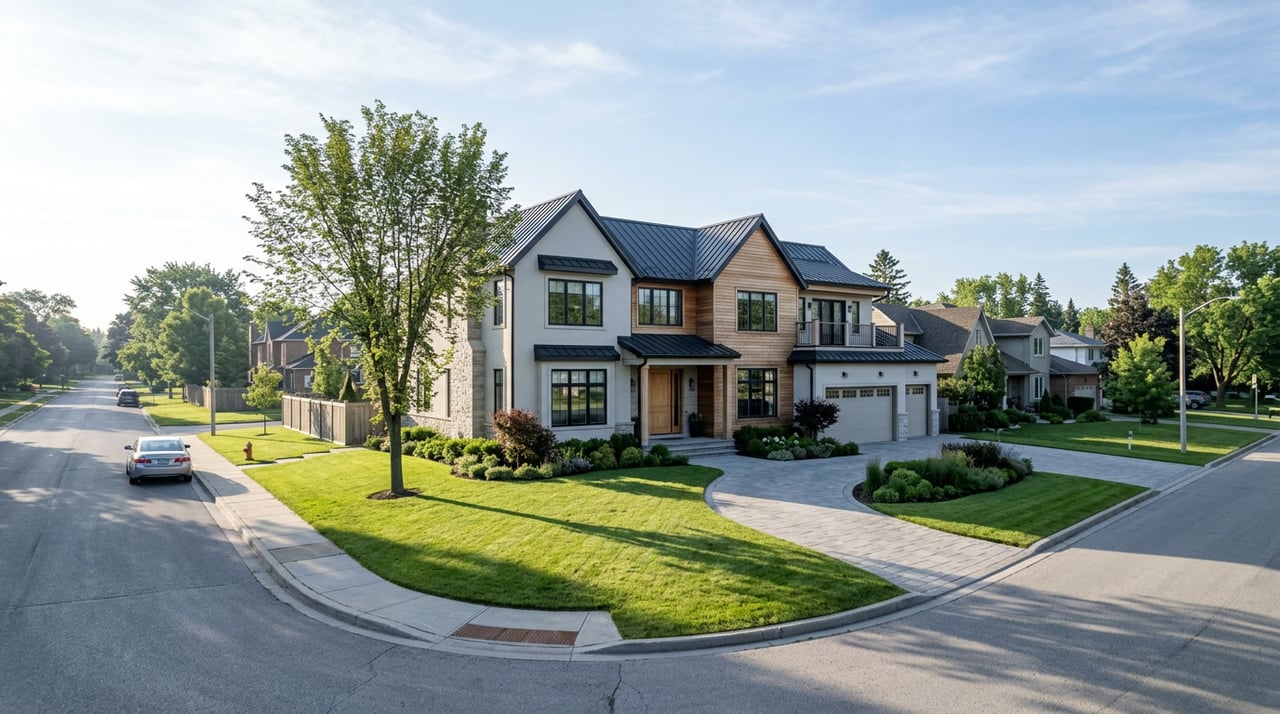
You’ll see large volumes of Meridian housing built from the 1990s through the 2020s. Two-story family homes are common, along with modern Craftsman-influenced designs and townhomes. Many master-planned neighborhoods emphasize open floorplans and attached garages.
Eagle offers a larger share of single-story and custom homes, including ranch-style, modern farmhouse, and estate properties. River-oriented architecture and indoor-outdoor living features are common in waterfront and large-lot homes. Eagle also includes tract neighborhoods, but the overall character is lower density with more custom finishes.
Choosing what fits you
- If single-level living is a must, Eagle often has more one-story options.
- If you want custom features and expansive lots, target Eagle’s larger-lot or build-to-suit areas.
- If you prefer a newer spec home with community amenities, Meridian’s master-planned communities offer a wide selection.
Dining, retail, and recreation access
Meridian features strong retail and dining nodes with larger shopping centers and concentrated mixed-use districts. If you value quick access to daily services and walkable retail corridors, Meridian provides more options.
Eagle has a smaller, local-focused downtown and riverfront area. Retail is more dispersed, and many residents head to Meridian or Boise for broader shopping and entertainment. For recreation, Eagle’s proximity to Eagle Island State Park and the Boise River stands out for boating, fishing, and trails. Meridian’s robust city park system, trail network, and family attractions offer everyday convenience, and I-84 access makes regional day trips easier.
What matters most to you?
- If walk-to-dining and a major retail center are priorities, focus on Meridian’s commercial corridors or a property near Eagle’s downtown core.
- If river recreation and large park access are your top priorities, Eagle delivers a clear advantage.
Decision checklist: Eagle or Meridian?
- Need the shortest commute to I-84 or west/south Boise? Lean Meridian.
- Want a larger yard, space for outbuildings, or river access? Lean Eagle.
- Prefer master-planned amenities like pools, clubhouses, and trails? Lean Meridian.
- Want quieter, lower-density streets and single-level living? Lean Eagle.
- Sensitive to HOA rules and fees? Target Eagle’s non-HOA parcels or select older Meridian neighborhoods with fewer restrictions.
Financial and resale considerations
- Liquidity: Meridian’s denser product and proximity to retail typically supports broad buyer demand. Eagle’s larger-lot and custom properties attract lifestyle buyers and can take longer to resell depending on the segment.
- Carrying costs: Larger lots in Eagle often mean higher ongoing maintenance and irrigation costs. HOA dues in Meridian may reduce some maintenance needs but add annual or monthly fees.
Process checklist for buyers
- Test commute routes during peak hours.
- Obtain and review HOA documents early.
- Confirm utilities, irrigation source, and any water rights.
- Use parcel maps to verify lot size, setbacks, and easements.
- Walk the neighborhood at different times to gauge activity and noise.
Buyer profiles: who fits where
These profiles are examples to help you match lifestyle to location.
Persona A: Daily commuter to Boise
- Priorities: Short commute, access to dining and retail, low-maintenance home or townhome.
- Likely fit: Meridian near major arterials and I-84.
- Tradeoffs: Smaller lots and likely HOA rules.
Persona B: Remote worker who wants space
- Priorities: Larger yard, quiet street, single-story or custom build, river and park access.
- Likely fit: Eagle for lower density and outdoor orientation.
- Tradeoffs: Longer drives on in-office days and higher yard maintenance.
Persona C: Family that loves built-in amenities
- Priorities: Pools, playgrounds, trails, and nearby retail.
- Likely fit: Meridian master-planned subdivisions.
- Tradeoffs: HOA dues and smaller lots.
Persona D: Downsizer seeking single-level ease
- Priorities: One-floor living, easy access to parks, and local dining.
- Likely fit: Eagle for single-level options and quieter neighborhoods; select Meridian patio-home communities may also work.
- Tradeoffs: If you want immediate proximity to larger retail and services, compare both cities.
Persona E: Investor looking for demand
- Priorities: Broad renter appeal, easier turnover, and resale demand.
- Likely fit: Meridian’s denser neighborhoods near employment and retail.
- Tradeoffs: Competition and possible HOA rental restrictions.
Your next step
Choosing between Eagle and Meridian comes down to daily life: commute rhythm, how you use your yard, and which amenities you want within minutes. If you’re clear on those, the right fit usually stands out. If you want a local advisor to test routes, source the right lot size, and vet HOA documents with you, let’s talk. Reach out to Nicole Morgan for a tailored plan and on-the-ground insights.
FAQs
How do commute times differ between Eagle and Meridian?
- Meridian usually offers shorter drives to I-84 and west-side employers, while Eagle relies on Eagle Road and State Highway 44, which can add time at peak hours.
What should I review before buying into an HOA community?
- Request CC&Rs, bylaws, architectural rules, budgets, reserve studies, meeting minutes, and verify what dues cover plus any history of special assessments.
Are larger lots more common in Eagle?
- Yes. Eagle has a higher share of quarter-acre and larger parcels, including half-acre to acre properties, while Meridian trends toward smaller suburban lots.
Where will I find the best access to dining and shopping?
- Meridian has concentrated retail and dining nodes with larger centers. Eagle offers a smaller, local downtown and riverfront area, with many residents shopping in Meridian or Boise.
How do carrying costs compare between the two cities?
- Larger lots in Eagle can mean higher landscaping and irrigation expenses. In Meridian, HOA dues may reduce some maintenance but add ongoing fees.
What should I check for utilities and irrigation on bigger lots?
- Confirm municipal water and sewer connections or any rural systems, and verify irrigation sources or water rights on larger or semi-rural parcels before you buy.