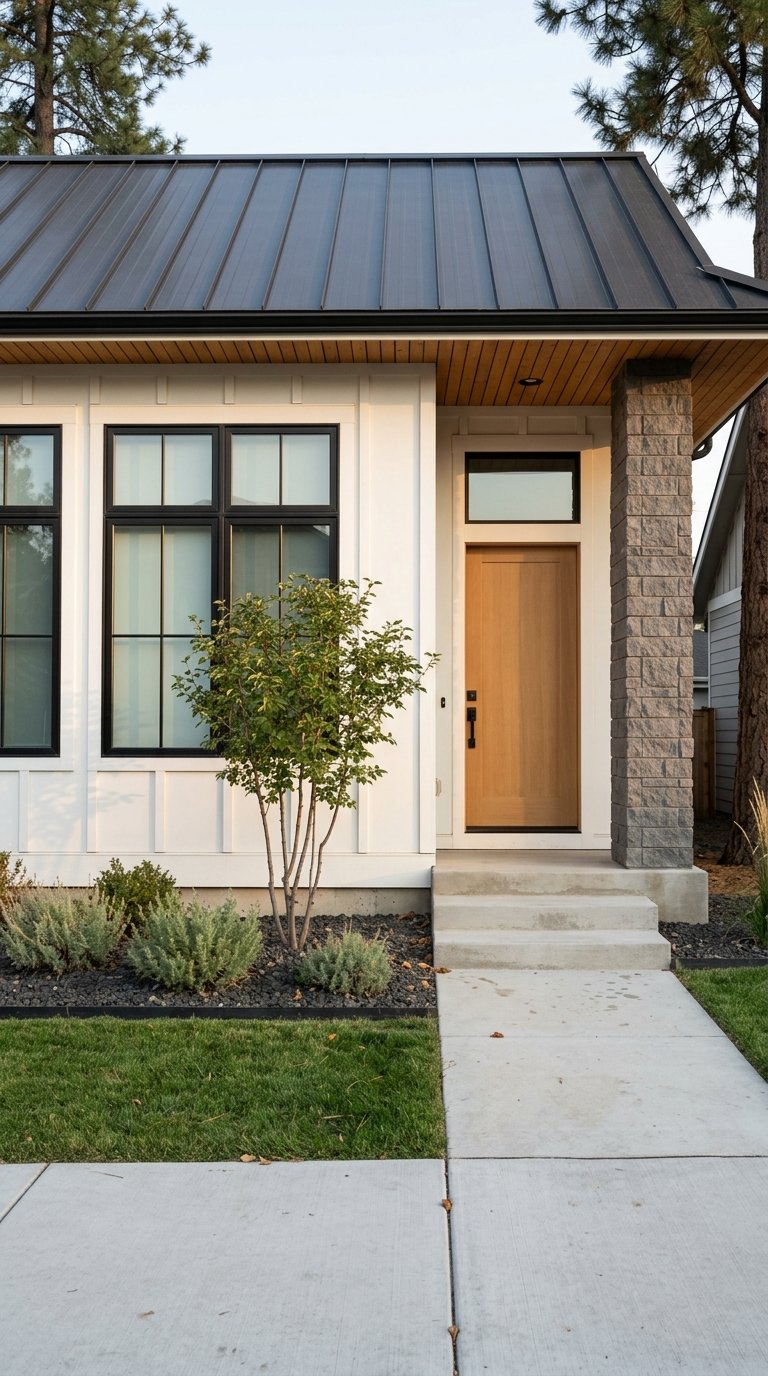
Trying to choose between a walkable day-to-day routine and a little more breathing room? In Eagle, that decision often comes down to two very different lifestyle patterns: the village core and the foothills. If you are deciding where you want to live, this guide will help you compare convenience, access, home styles, and everyday rhythm so you can focus on the part of Eagle that fits you best. Let’s dive in.
Eagle Living Comes Down to Lifestyle
In Eagle, the biggest tradeoff is often convenience versus space. The city plans downtown, Olde Towne, and the Village Planning Area to serve as the most convenient places for daily living, with mixed-use spaces, services, and gathering spots close together.
The foothills, by contrast, are treated as a distinct area with a more rural-to-suburban feel. That usually means more privacy, more open space, and a quieter setting, but also more driving for everyday needs.
Village Core Living in Eagle
If you picture coffee, errands, dinner, and community events all happening within a compact part of town, the village core is likely what you are looking for. In Eagle, that idea lines up most closely with downtown, Olde Towne Eagle, and the Village Planning Area.
What daily life feels like
Downtown Eagle is planned as a mixed-use, pedestrian-friendly center with retail, office space, civic institutions, and a range of residential uses. The city describes it as the most convenient place in Eagle and the region to live, work, shop, and gather.
Olde Towne is meant to remain Eagle’s traditional town center and community gathering place. The city also supports this walkable pattern with features like Heritage Park parking that is specifically intended to make it easier to park once and enjoy downtown shops and restaurants on foot.
Why convenience stands out
The Village Planning Area is designed to keep basic goods and services closer to residents, which reduces the need to travel long distances for everyday needs. If you want a shorter stop-and-go routine for groceries, dining, or local events, this part of Eagle is built for that.
Village-core living can also make it easier to combine activities into one trip. The city’s planning documents support pedestrian, bicycle, and transit connectivity in and around downtown, which reinforces that compact, connected feel.
Recreation near the village core
In this part of Eagle, recreation tends to feel social and park-oriented. Heritage Park, Arboretum Park, downtown events, and the Eagle Saturday Market all help create a more active main-street rhythm.
The Boise River and Greenbelt system also play a major role in daily life. The city notes that the river runs directly through Eagle and connects the city to Boise with a scenic pedestrian greenbelt pathway.
Housing character in the village core
Housing near downtown and the village area tends to be more compact than what you will find in the foothills. The city identifies these areas as suitable for lofts, townhouses, apartments, row houses, duplexes, and four-plexes, especially near the center.
The village planning area also allows for density transitions, with higher density closer to the center and lower density farther out. If you like the idea of being closer to shops, services, and gathering spaces, this housing pattern may feel like a natural fit.
Foothills Living in Eagle
If your ideal home feels quieter, more spread out, and a little more removed from the center of activity, the foothills may be the better match. This part of Eagle offers a different kind of daily rhythm, one built around open space and privacy.
What daily life feels like
The city frames the Eagle Foothills as a rural-to-suburban transition area. Access is more limited here, and the city notes that Willow Creek Road is the only improved internal road through the foothills planning area.
That limited access creates a more secluded, drive-oriented experience than you will typically find downtown. The foothills are linked to Eagle, but they are not planned to function as a self-contained center for daily services.
Why space stands out
Foothills living usually appeals to buyers who want more elbow room and a stronger sense of separation between home and activity. The land-use pattern supports that, with categories that include rural lifestyle land at 1 unit per 40 acres, rural estates at about 1 unit per 2 acres, and suburban foothills at 2.5 units per acre.
That wide range tells you something important: foothills properties can vary a lot, but in general, this side of Eagle leans toward larger lots, lower density, and a more spacious feel than the village core.
Design and setting in the foothills
The city’s foothills guidance emphasizes respect for rural character, native and drought-tolerant landscaping, water efficiency, and fire resistance. That creates a distinct visual and practical identity for the area.
Many projects in the foothills also rely on cluster, conservation, or carefully planned development approaches. This reinforces the idea that foothills living is less urbanized and more shaped by the land itself.
Recreation near the foothills
If you value larger-scale outdoor space, the foothills side of Eagle has strong appeal. Eagle Island State Park, on the west side of town, offers 545 acres with a swimming beach, more than five miles of trails for hiking, horseback riding, and dog walking, plus non-motorized boating access.
That kind of recreation feels different from the village core. Instead of a park-and-plaza rhythm, you are more likely to find a broader outdoor setting with room to spread out.
Comparing Commute and Errands
No matter where you live in Eagle, regional travel still depends heavily on Eagle Road and nearby State Highway 44 corridors. The Idaho Transportation Department describes SH-55 as Idaho’s busiest non-interstate highway and has a safety pilot underway along the corridor from I-84 to SH-44.
Within Eagle itself, the difference is often how many things you can do before you need to get in the car again. In the village core, you are more likely to combine errands, dining, and events in one area. In the foothills, you are more likely to trade that convenience for privacy and space.
Which Eagle Lifestyle Fits You Best?
If you are still deciding, it helps to think about what you want your average Tuesday to feel like, not just your ideal weekend. Your everyday routine usually tells you more than a home’s square footage.
Choose the village core if you want
- Easier access to shops, restaurants, and events
- A more walkable and connected daily routine
- Housing closer to downtown activity
- A social, main-street feel
- Shorter trips for many day-to-day needs
Choose the foothills if you want
- More privacy and open space
- A quieter, more removed setting
- Larger lots or acreage-style surroundings
- A stronger rural-to-suburban feel
- A home experience that prioritizes space over proximity
A Smart Way to Decide
One of the best ways to compare these two parts of Eagle is to look beyond listing photos and think through your habits. Where do you want to grab coffee, run errands, spend time outdoors, or come home after a long day?
When you align your home search with your real routine, the right area usually becomes clearer. In Eagle, both the village core and the foothills offer strong lifestyle appeal, but they serve very different priorities.
If you want help narrowing down the right fit in Eagle, Nicole Morgan can help you compare neighborhoods, home styles, and day-to-day lifestyle so you can move with confidence.
FAQs
What is the village core in Eagle, Idaho?
- In Eagle, the closest match to a village core is downtown, Olde Towne Eagle, and the Village Planning Area, which the city plans as convenient, mixed-use areas for shopping, services, gathering, and housing.
What is foothills living like in Eagle, Idaho?
- Foothills living in Eagle is generally more rural-to-suburban in character, with limited access, more driving for daily needs, and a stronger emphasis on privacy, open space, and larger-lot living.
Is downtown Eagle more walkable than the foothills?
- Yes. Downtown Eagle is planned as a pedestrian-friendly mixed-use center, while the foothills are more spread out and access is more limited.
What types of homes are common near downtown Eagle?
- Near downtown Eagle and the village area, the city identifies more compact housing types such as lofts, townhouses, apartments, row houses, duplexes, and four-plexes.
What types of homes are common in the Eagle foothills?
- In the Eagle foothills, buyers can generally expect a wider range of low-density housing patterns, including rural lifestyle land, rural estates, suburban foothills development, and other larger-lot settings.
Is the Eagle foothills area good for buyers who want more space?
- Yes. Based on the city’s land-use guidance, the foothills are typically a better fit for buyers who want more elbow room, privacy, and a quieter setting than the village core offers.