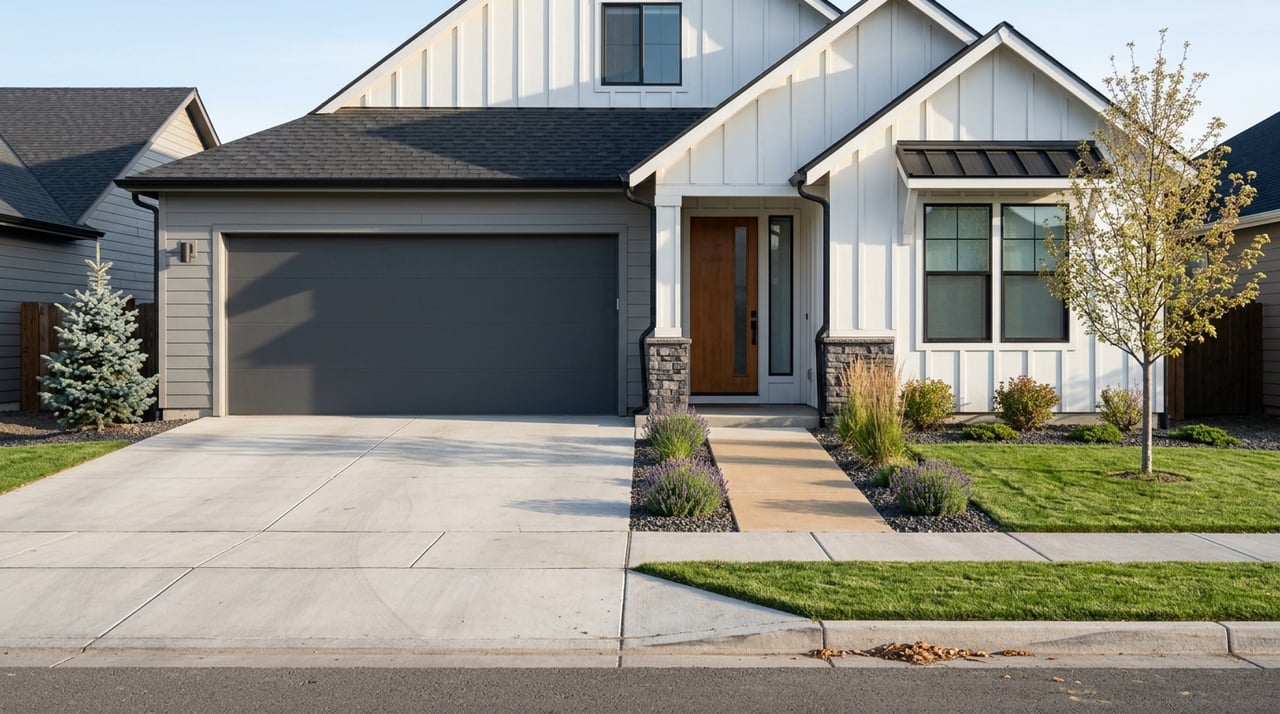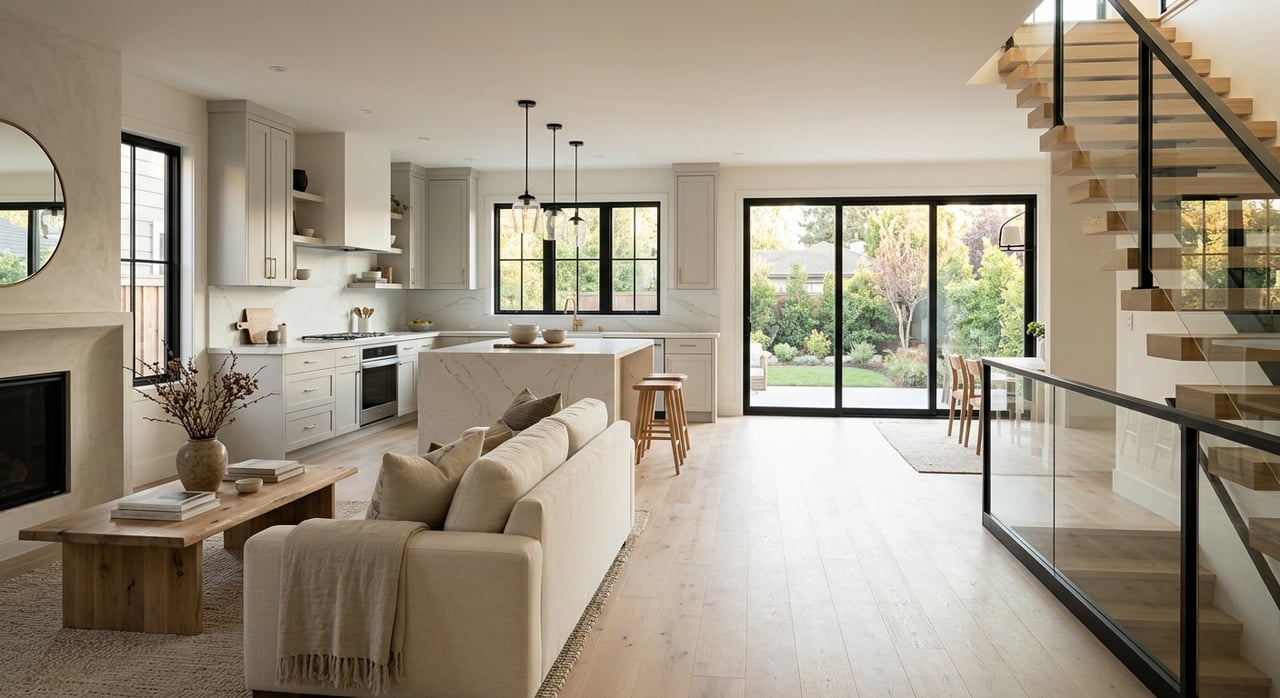
If you are thinking about selling in Eagle, one question matters more than almost any other: are you pricing for the market you want, or the market buyers are actually seeing today? In a higher-price area like Eagle, even a strong home can sit longer if the list price misses the mark. The good news is that with the right pricing strategy and launch timing, you can improve your chances of attracting serious buyers and protecting your bottom line. Let’s dive in.
Why pricing and timing matter in Eagle
Eagle is still an active market, but it is not a market where sellers can rely on guesswork. Recent public data shows a range of results depending on the source, with median sale prices around $799,422 to $831,817 and days on market ranging from about 44 to 56 days, while Zillow also reports 13 days to pending for some homes. Those differences reflect different datasets and timeframes, so the smartest way to read them is as a range, not one exact number.
What stays consistent is the bigger picture. Eagle homes sit well above the broader Ada County median sales price of $545,000, which means buyers in this price range tend to be more selective. That makes pricing precision, presentation, and timing especially important when you are preparing to sell.
Start with closed sales, not wishful pricing
The safest way to price your Eagle home is to look first at recent closed sales. Current asking prices can be helpful for understanding competition, but they do not show what buyers were actually willing to pay. For a realistic pricing strategy, the strongest comp set is usually similar nearby homes that sold within the last 30 to 90 days.
That comparison should stay as close to your home as possible. Property type, condition, upgrades, lot features, and price band all matter. It is also important to compare resale homes with other resale homes and treat new construction as a separate category.
What the current market signals suggest
Several public snapshots suggest buyers in Eagle still have room to negotiate. Realtor.com reports a 94% sales-to-list price ratio and a 6.25% gap below asking, while Zillow reports a 0.990 sale-to-list ratio and says 56.6% of sales closed under list price. That does not mean every home should be listed low, but it does mean an overly ambitious list price can reduce momentum.
When a home starts too high, the first few weeks can become less productive. Buyers may wait, compare, or assume there is room for a future reduction. In many cases, a strong launch at a well-supported price creates more interest than a high starting point followed by cuts later.
Read Eagle as a micro-market
Citywide headlines are useful, but they do not price your home for you. In Eagle, small differences can have a big impact on buyer response. A well-updated home in one price range may move very differently from a home with dated finishes, a larger lot, or a custom floor plan in another range.
This is why broad county averages only go so far. Ada County reported 2.2 months of supply in April 2026 for single-family homes, with 43 days on market overall, but Eagle operates in a higher price tier. Your real competition is the group of homes a buyer would seriously compare to yours, not the entire county.
How to price your Eagle home smartly
A practical pricing plan usually starts with three questions:
- What did similar homes actually sell for?
- How long did those homes take to go pending or under contract?
- How much inventory is competing for the same buyer pool right now?
Those answers help shape a more confident list price. They also help you avoid chasing the market if activity slows or if competing inventory grows.
Focus on comparable closed sales
Closed sales show where the market has already spoken. In Eagle, this means reviewing nearby sales from the last 30 to 90 days that match your home in size, style, condition, and lot profile as closely as possible. If your home has meaningful upgrades or standout outdoor features, those details should be weighed carefully rather than assumed to add value dollar for dollar.
Watch competing inventory
Inventory changes buyer behavior. Realtor.com shows 815 active listings in Eagle, while Zillow shows 261 for-sale listings, again reflecting different methods and timeframes. Even with those differences, both suggest buyers have options, which means your home needs to stand out on both value and presentation.
Respect days on market
Time matters because buyers notice it. Redfin shows roughly 56 days on market in Eagle, while Realtor.com shows 44 days on market, and BRR reported 43 days for single-family homes across Ada County in April 2026. If similar homes are moving and yours is not, price is often one of the first places to look.
The best time to list in Eagle
If you have flexibility, spring into early summer is usually the strongest listing window. National timing research from Realtor.com points to the week of April 12 to 18 as the best week to sell in 2026, with homes historically spending about nine fewer days on market, seeing fewer price reductions, and facing less seller competition. Zillow also found that homes listed in the last two weeks of May sold for 1.7% more nationally.
That said, timing should support your preparation, not replace it. The best date on the calendar will not outperform a well-prepared home with strong pricing and polished presentation. In Eagle, it is often better to list when your home is fully ready and local inventory is still manageable than to rush just to hit a certain week.
What if you miss the spring window?
You can still sell successfully outside late spring. Buyers stay active in Eagle, and well-positioned homes can attract strong interest in other seasons too. The key is to adjust expectations and strategy based on current inventory and buyer behavior.
One reason sellers prefer spring and early summer is that price reductions tend to rise in the fall after the summer rush. If you list later in the year, a sharper initial price and standout presentation may matter even more. This is where a tailored, local approach becomes especially valuable.
Preparation can protect your price
Pricing is not only about numbers. It is also about how buyers experience your home the moment it hits the market. In a selective market like Eagle, thoughtful seller preparation can support stronger interest and help justify your asking price.
That includes the basics buyers notice quickly:
- Clean, uncluttered spaces
- Minor repairs completed before launch
- Cohesive staging or styling
- Strong photography and listing media
- A clear plan for showing availability
When your home looks market-ready from day one, buyers are more likely to view it as move-in ready and better worth the price. That first impression can be especially important when multiple listings are competing for attention.
Why overpricing usually costs more later
Many sellers worry that pricing at market value leaves money on the table. In reality, overpricing often does the opposite. A home that lingers can become easier for buyers to negotiate, especially when public market snapshots already show many homes selling below asking.
In Eagle, where buyers are often comparing quality, finish level, and lot value closely, stale market time can weaken your position. Starting with a strategic price gives you a better chance to attract attention early, when your listing is newest and most visible.
A smart sale plan for Eagle homeowners
If you want to price and time your sale well, keep your plan simple and grounded in current local data:
- Review recent closed sales, not just active listings.
- Compare your home only to truly similar properties.
- Study competing inventory in your price band.
- Aim for a launch window in spring or early summer if possible.
- Prepare the home fully before listing.
- Watch market response quickly and adjust if needed.
This kind of approach helps you make decisions based on evidence instead of emotion. In a market like Eagle, that can make the difference between a smooth sale and a listing that requires repeated corrections.
Selling in Eagle is not about chasing a headline number. It is about understanding your home’s position in a nuanced, higher-value market and launching with intention. If you want a pricing strategy built around local comps, smart preparation, and polished marketing, Nicole Morgan can help you create a sale plan that fits your goals.
FAQs
How should you price a home for sale in Eagle, Idaho?
- The strongest starting point is recent closed sales from the last 30 to 90 days that closely match your home in type, condition, location, and price range.
When is the best time to list a home in Eagle, Idaho?
- If you have flexibility, spring into early summer usually offers the best timing advantage, especially when your home is fully prepared before it goes live.
Are Eagle homes selling below asking price?
- Public market data suggests many homes do sell below asking, which is why realistic pricing from the start can be more effective than listing high and reducing later.
Why do Eagle housing market numbers look different on different websites?
- Different sites use different datasets, date ranges, and definitions, so their numbers should be treated as a range of market signals rather than one exact measurement.
How long does it take to sell a home in Eagle, Idaho?
- Recent public data shows a range, with about 44 to 56 days on market in some reports, while Zillow also reports 13 days to pending for certain homes.
Does preparation affect your home sale price in Eagle?
- Yes. Strong preparation, including repairs, staging, and polished listing media, can improve buyer response and help support your price in a selective market.